
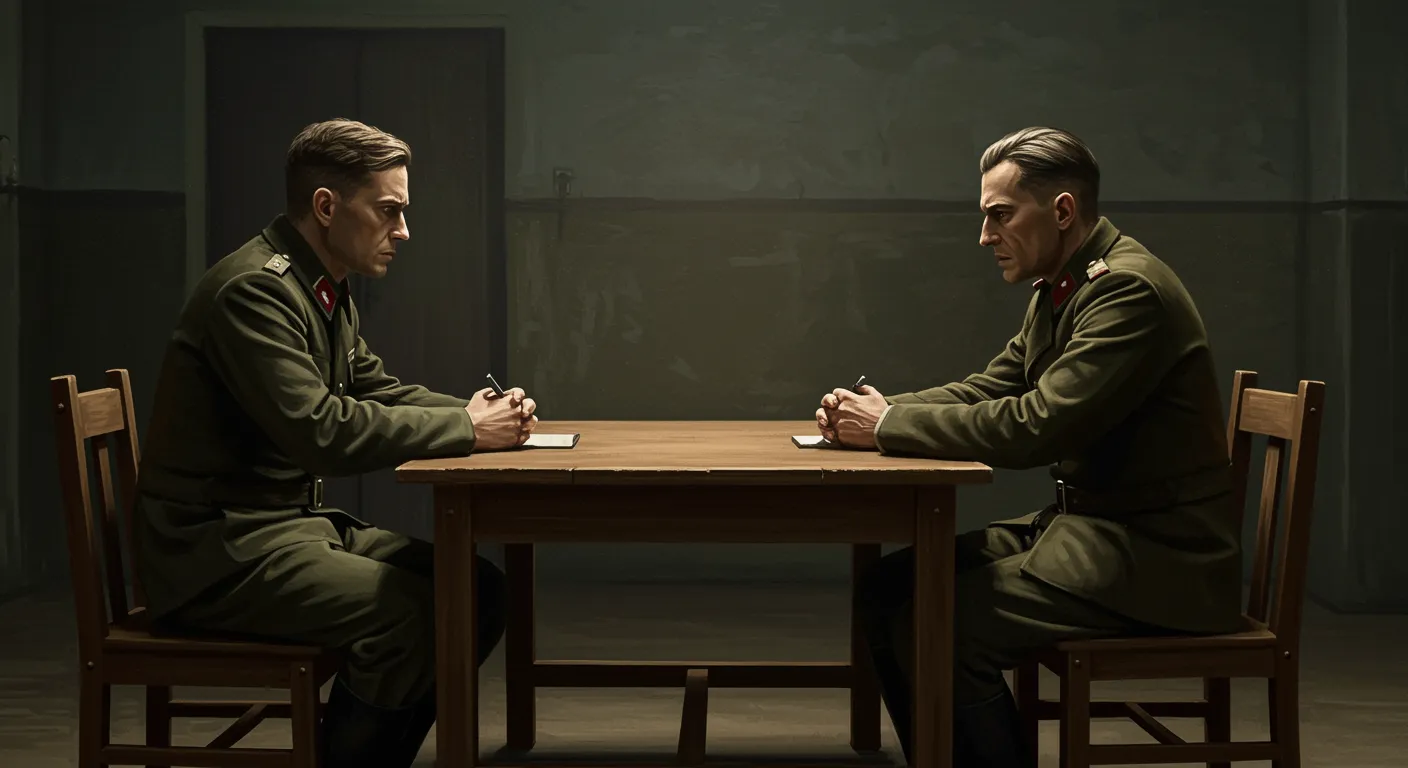
When people hear the word interrogation, they usually picture harsh lights, raised voices, threats, and physical force. Movies and television have trained us to believe that getting information means breaking someone down. But during World War II, there were cases where a very different approach proved effective. It was not built on fear. It was built on psychology, patience, and simple conversation.
In a time when brutality was common, that approach stood out. And maybe that is exactly why it worked.
Rethinking Interrogation
World War II was enormous in scale. Millions of soldiers were captured, and intelligence became a crucial part of military strategy. Information about troop movements, supply lines, aircraft, and battle plans could change the course of a campaign.
The traditional belief was that prisoners had to be pressured into talking. But some interrogators began to see a flaw in that thinking. Fear often produces silence. Or worse, it produces lies. A frightened prisoner may say whatever they think will make the situation end. That does not make the information useful.
So instead of relying on force, certain interrogators studied something else. They studied people.
Building Rapport Instead of Resistance
The foundation of this method was surprisingly simple. Treat prisoners like human beings.
Rather than shouting or threatening, interrogators would start with calm conversation. They offered cigarettes. They talked about neutral topics like family, hometowns, or ordinary life. The goal was to create an atmosphere that did not feel immediately hostile.
At first, that might seem strange. Why show kindness in the middle of war?
But human psychology is complicated. When someone feels attacked, they shut down. When someone feels respected, even slightly, their guard can begin to lower. Suspicion slowly turns into conversation. And conversation can reveal far more than confrontation ever could.
Many prisoners were young men far from home. They were exhausted, anxious, and unsure of their fate. Some had been warned that capture meant torture. When that expectation was not met, it changed the emotional dynamic. Confusion often gave way to relief. And relief opened the door to talking.
The Power of Listening
One of the strongest tools in this approach was not speaking. It was listening.
Good interrogators understood that most people want to be heard. By asking open questions and showing real interest, they encouraged prisoners to talk freely. Instead of demanding specific military secrets, they might ask about daily routines, training experiences, or what life had been like before the war.
Small details would surface naturally. A reference to a location. A casual mention of equipment. A comment about morale within a unit. Piece by piece, a picture began to form.
Information gathered this way was often more reliable because it was not forced. It came out in the flow of conversation, not under the weight of immediate pressure.
This method required patience. It required emotional discipline. It required understanding that intelligence work is as much about human behavior as it is about strategy.
Psychology Over Force
There was also a deeper insight behind this approach. Coercion often strengthens resistance.
When someone feels attacked, they cling more tightly to loyalty and identity. But when they feel understood, even slightly, something shifts. During World War II, many captured soldiers were not hardened ideologues. They were ordinary people placed in extraordinary circumstances.
By treating them with dignity, interrogators sometimes created a subtle change in perspective. The exchange no longer felt like a battle of wills. It felt like a conversation between two people.
A Different Kind of Strength
None of this takes away from the harsh realities of war. World War II was filled with suffering and cruelty. But the existence of non force interrogation methods shows that even in dark times, individuals made choices about how to use power.
Choosing restraint required confidence. It required believing that empathy and intelligence could be stronger than intimidation. And over time, experience showed that information built on trust was often more dependable than information extracted through fear.
Today, many modern interrogation practices focus on rapport building for the same reason. The lessons learned decades ago still matter. Understanding human psychology can be far more effective than physical pressure.
More Than a Tactic
What makes this approach so striking is not only that it worked. It is what it says about human nature.
Even in war, people respond to dignity. Even in conflict, conversation can cross barriers. The idea that listening can be more powerful than shouting challenges common assumptions about strength.
At the heart of this method was a simple recognition. Behind every uniform is a person. And when you reach the person, information often follows. If you would like to explore this remarkable approach in more depth and discover the real story behind it, The Interrogator offers a compelling look at how patience, psychology, and humanity shaped intelligence work during World War II. It is a reminder that sometimes the most effective strategies are not the loudest ones, but the most thoughtful.