
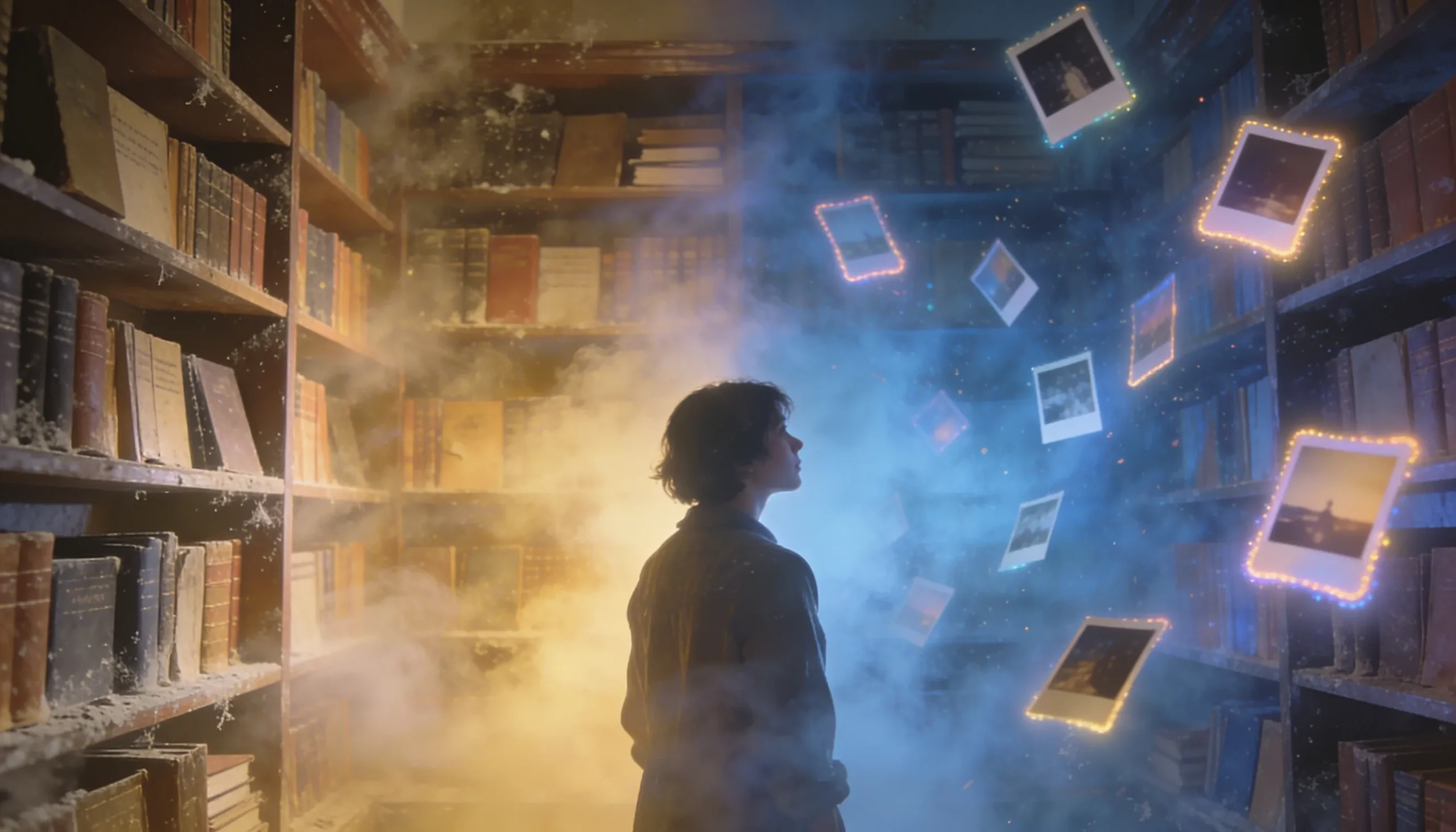
History books matter. They give us timelines, dates, treaties, names of leaders, and the outcomes of wars. They help us understand what happened and when. But if you have ever sat with a grandparent and listened to them tell a story from their childhood, or heard someone describe where they were on the day everything changed, you know there is something different about memory. It carries a kind of truth that feels personal and alive.
History explains events. Memories make us feel them.
History Tells Us What Happened
Open any history book and you will see structure. Chapters are organized. Events are summarized. Causes and consequences are clearly laid out. That clarity is important. Without it, we would struggle to see the bigger picture of the world we live in.
History gives us context. It connects one event to another. It shows how decisions made in one room can affect millions of people across continents. It helps us learn from the past and understand how we arrived where we are today.
But history is selective. It cannot record every conversation at a kitchen table. It cannot capture every quiet fear someone felt in the middle of the night. It does not usually tell us about the small kindness between neighbors or the private doubts someone carried.
It focuses on what can be documented and verified.
That is where memory comes in.
Memories Tell Us What It Felt Like
Memory is not neat. It does not follow a perfect timeline. It can be emotional, fragmented, even imperfect. But it holds something textbooks often cannot. It holds the feeling of a moment.
A history book might tell you that food was rationed during wartime. A memory tells you what it was like to stand in a long line in the cold, hoping there would still be bread when you reached the front. A book might state that cities were bombed. A memory remembers the sound of sirens in the middle of the night, the trembling walls, and the silence that followed.
Memories carry details that rarely make it into official records. The smell of a room. The way sunlight came through a cracked window. The tone in a mother’s voice when she tried to sound calm but was not.
When someone shares a memory, they are not just giving you information. They are inviting you into their experience.
The Human Side of Big Events
Major historical events are often discussed in numbers. Casualties. Percentages. Economic losses. Migration statistics.
Numbers are important, but they can create distance.
One million people displaced is a statistic. One child holding a small suitcase, leaving behind a bedroom they will never see again, is something you can picture. It stays with you.
Memories bring history down to a human level. They remind us that every war, every crisis, every political shift was lived by individuals with families, fears, and hopes. When we listen to personal stories, history becomes less abstract and more real.
And when something feels real, it is harder to ignore.
Memory Connects Generations
History books are often written years after events have passed. Memories are passed down in real time. Around dinner tables. On long walks. In quiet moments between grandparents and grandchildren.
A grandfather might describe what school was like during wartime. A grandmother might talk about the day she met her closest friend. These stories may not seem dramatic, but they carry meaning. They create a bridge between generations.
In many families, these memories shape identity. They influence how children see the world. They quietly pass down lessons about resilience, gratitude, courage, or caution without ever sounding like advice.
When stories are shared, the past does not feel distant. It feels connected.
The Fragility of Memory
At the same time, memory is fragile. It fades. Details blur. People pass away, and their stories risk disappearing with them.
That is why writing memories down matters. Recording them matters. Once preserved, a memory becomes more than a fleeting recollection. It becomes a gift for those who come after.
While official history often focuses on extraordinary events, personal memories honor the ordinary moments that shaped a life. Friendships. Hardships. Laughter. Quiet strength. The small choices that made a difference.
Often, it is those small moments that define us most.
More Than Facts
This is not about choosing memory instead of history. We need both. History gives us structure and understanding. Memory gives us heart.
If you truly want to understand an era, you have to go beyond dates and timelines. You have to listen to the voices of the people who lived through it. You have to hear the pauses in their stories and the emotion that still lingers decades later.
Long after specific dates fade from memory, the human stories remain.
If you are drawn to that human side of history, to the memories that shape a life more deeply than any timeline ever could, Memories: My Life Story offers a heartfelt reflection on growing up during extraordinary times and carrying those experiences across continents. It is a reminder that history records events, but memory preserves meaning.